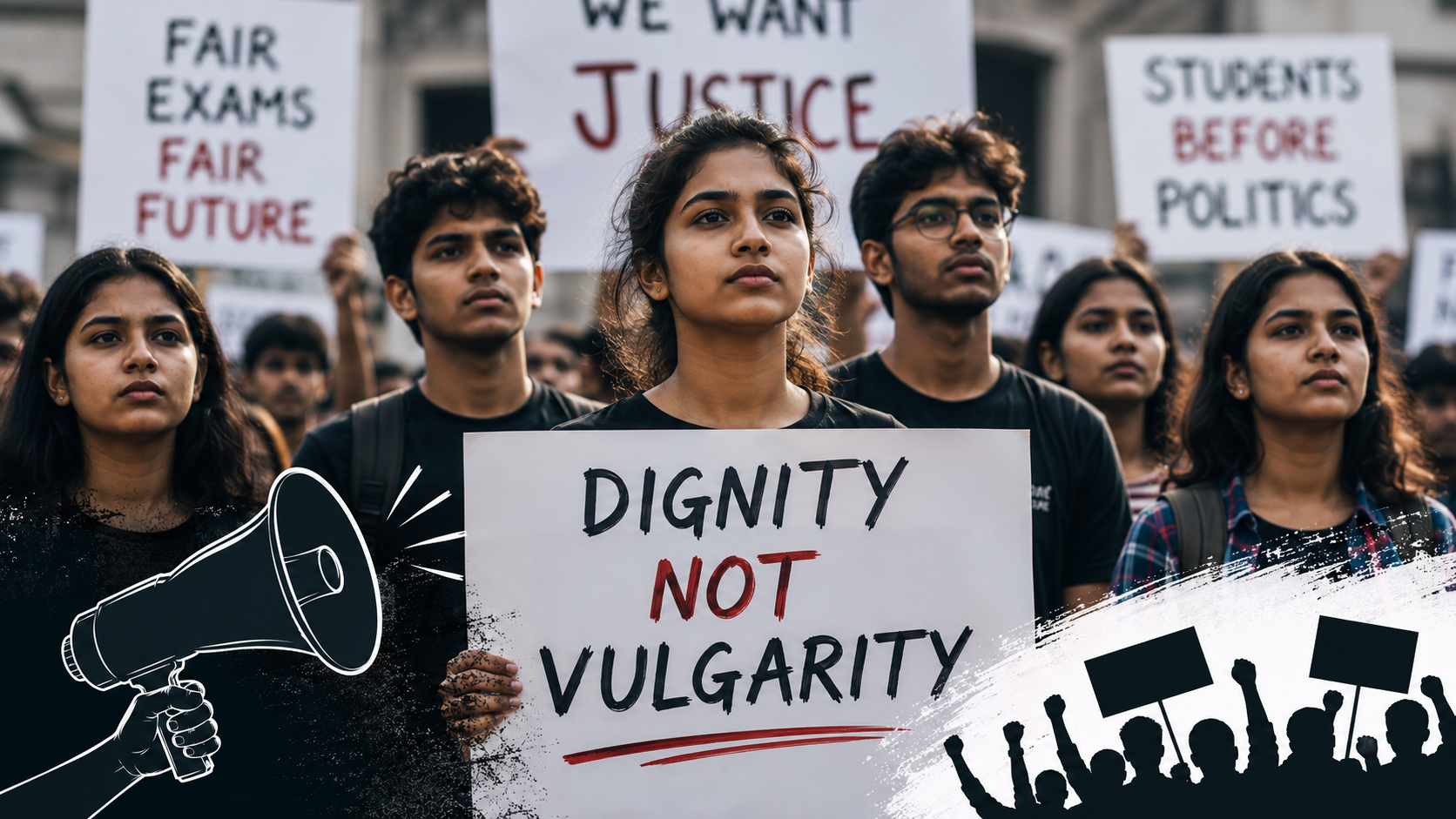
The recent NEET protests have triggered one of the most intense public debates in recent months. While the demonstrations began around serious concerns surrounding the examination and demands directed at the Education Minister, public attention later shifted towards reports and videos showing vulgar slogans and alleged misconduct during sections of the protests.
The controversy has sparked a wider national discussion that extends beyond the NEET issue itself. Should democratic protests have limits? Can the use of vulgar language weaken an otherwise legitimate movement? And what kind of protest culture does Gen Z wish to build for the future?
To explore these questions, The Update India invited five young voices from literature, art and digital media to share their perspectives. Although they come from different backgrounds, all agree on one principle: the right to protest is fundamental in a democracy, but dignity should never be sacrificed in the process.
“A Protest Should Earn Respect, Not Just Attention” – Gurpreet
Young author and social commentator Gurpreet believes that every protest communicates two messages simultaneously—its demands and its conduct.
According to her, the NEET protests began with genuine concerns and frustration, but when vulgar language begins dominating a movement, the original issue slowly disappears from public discussion.
She believes people remember not only why a protest happened but also how it was carried out. If abusive slogans replace meaningful dialogue, public sympathy gradually fades away.
For Gurpreet, discipline gives a movement its moral strength. She feels Gen Z has every right to question institutions and hold leaders, including the Education Minister, accountable, but that responsibility should be exercised with dignity and maturity.
In her opinion, powerful movements do not need offensive language to leave a lasting impact. A protest can remain fearless, determined and uncompromising while still respecting public decency.
About Gurpreet
Gurpreet is a young and upcoming Indian author and social commentator. Her remarkable debate skills have won several trophies and awards.
“Public Spaces Must Feel Safe for Everyone” – Vaishali Chhabra
Delhi-based artist Vaishali Chhabra believes protests should represent the values they seek to defend.
She explains that demonstrations are not merely political gatherings—they are public spaces shared by students, women, families and ordinary citizens. When vulgar slogans or aggressive behaviour dominate those spaces, many people begin distancing themselves from the cause itself.
Vaishali feels that the debate surrounding the NEET protests changed because the conversation moved away from education reforms and towards questions about behaviour.
She is particularly concerned about reports of harassment and indecent conduct emerging from protest sites. According to her, if even a small section of a movement creates an unsafe atmosphere, the credibility of the entire protest suffers.
For her, democracy flourishes when disagreements remain respectful. She believes protests become more influential when they inspire dialogue instead of discomfort.
About Vaishali Chhabra
A Delhi based artist and philanthropist, Vaishali spreads the message of positivity and unity across the country.
“One Viral Clip Can Change the Entire Narrative” – Aryan
Twenty-one-year-old digital creator Aryan believes the biggest challenge facing modern protest movements is social media.
He explains that today’s Gen Z consumes information through reels, shorts and viral videos. Because of this, one inappropriate slogan or one disturbing clip can quickly become the defining image of an entire movement.
According to Aryan, this is exactly why public conduct matters so much during the NEET protests. People across the country may never read detailed reports; they often judge events based on a few seconds of video.
He believes protests must remain calm, strategic and disciplined even during emotionally charged situations. Anger is understandable, he says, but unnecessary vulgarity only distracts from legitimate concerns.
Aryan feels movements become stronger when they refuse to hand critics an easy opportunity to shift the conversation away from the real issue.
About Aryan
At just 21, Aryan is enthusiastic Gen Z voice looking to build a career as a social media content creator. Some of his reels have already crossed a millions of views on Instagram.
“Public Sympathy Is a Protest’s Greatest Strength” – Ubbay Francis
Author Ubbay Francis believes every democratic movement ultimately depends on public trust.
He argues that once protests become associated with vulgar slogans, visible disorder or confrontational behaviour, public attention shifts away from the original grievance.
According to Ubbay, the recent debate surrounding the Education Minister and the NEET protests demonstrates how quickly optics can overtake substance.
He believes history remembers successful public movements not only because they challenged authority but because they did so with remarkable discipline and moral clarity.
Young people, he says, should continue questioning institutions and demanding accountability. However, they must also protect the dignity of the causes they represent.
For Ubbay, protests should persuade through principles rather than provoke through misconduct.
About Ubbay Francis
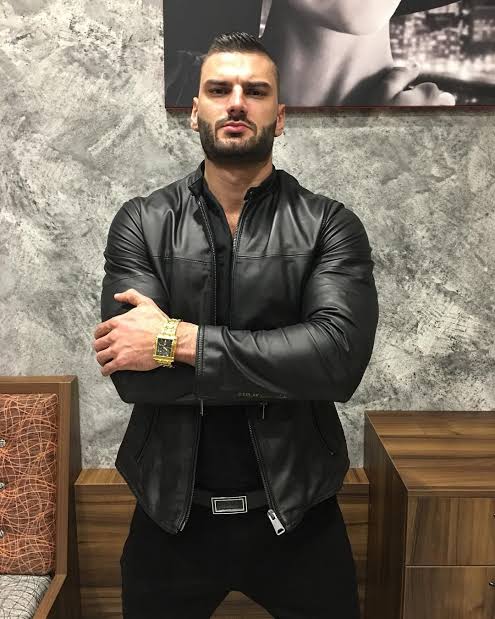
Ubbay Francis is a famous and talented author known for his bestselling book.
“Freedom of Speech Also Carries Responsibility” – Sruthi Tummalapalli
Author Sruthi Tummalapalli offers a broader reflection by placing the discussion within the larger framework of democracy, public discourse and history.
History reminds us that movements are remembered not only for the causes they championed, but also for the values they embodied while fighting for them. The methods adopted during a protest inevitably become part of its message. While anger and frustration are often justified, especially when people feel unheard, resorting to vulgar language weakens the moral force of a movement. It shifts public attention away from the issue itself and towards the manner in which it is expressed.
Freedom of speech is a cornerstone of democracy, but every freedom carries a corresponding responsibility. The right to dissent should encourage thoughtful dialogue rather than normalize hostility or abusive language. Powerful ideas do not require offensive words to leave a lasting impact. A protest seeking justice, accountability, or reform should reflect those very values in its conduct.
Democracy thrives not only when citizens speak fearlessly, but also when they speak responsibly. Strong convictions deserve strong arguments, not stronger insults. The true strength of a movement lies in its ability to persuade, unite, and inspire change while preserving the dignity of public discourse. After all, the legacy of a protest is shaped as much by how it speaks as by what it stands for.
About Sruthi Tummalapalli
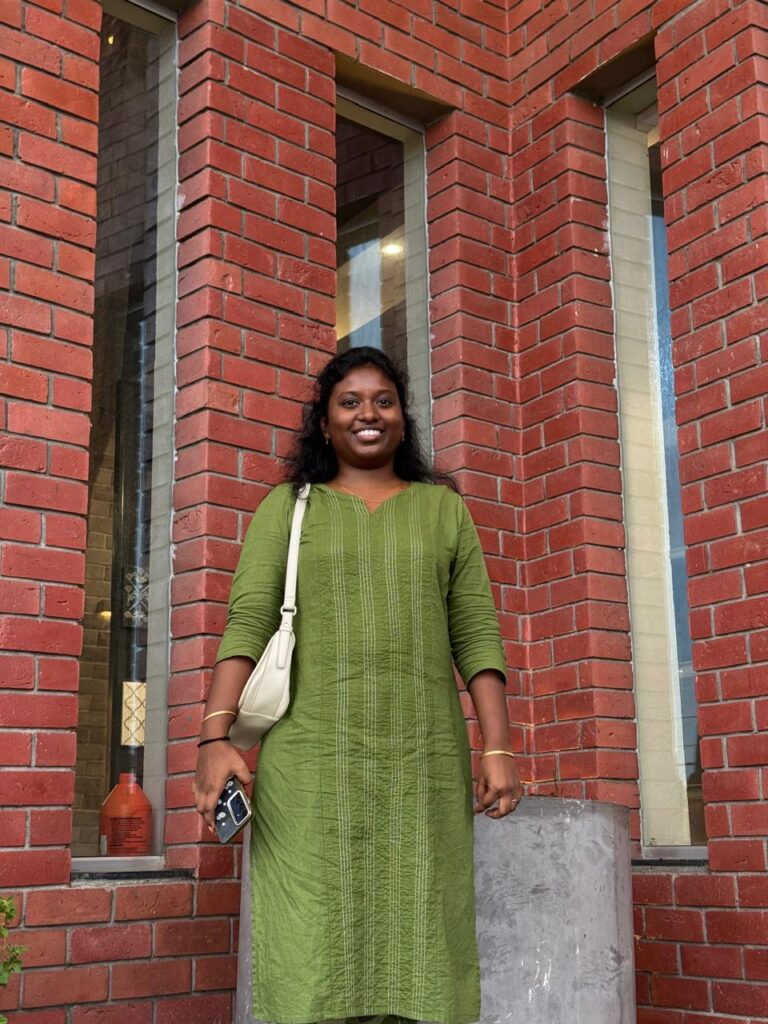
Sruthi Tummalapalli is an emerging author passionate about exploring the depth of human emotions and relationships through storytelling. She believes that stories have the power to inspire reflection, challenge perspectives, and spark meaningful conversations. Her debut novel, The Lunch, reflects her interest in portraying the quiet realities of everyday life with honesty, empathy, and emotional depth. Drawing inspiration from ordinary experiences, she creates characters and narratives that resonate with readers long after they finish the book. For Sruthi, writing is more than a creative pursuit—it is a way to understand people, question societal norms, and give voice to emotions that often remain unspoken. She hopes her work encourages readers to pause, reflect, and see familiar experiences from new perspectives. Through every story she writes, she strives to create literature that is authentic, thought-provoking, emotionally enduring, and capable of leaving a lasting impression on its readers.
Gen Z, NEET Protests and the Future of Democratic Expression
The opinions shared by these five young personalities reflect a common concern. None questions the democratic right to protest or the importance of demanding accountability from institutions and public representatives, including the Education Minister. Instead, they argue that the success of any movement ultimately depends on whether its conduct strengthens or weakens its message.
The debate surrounding the NEET protests has become larger than a single incident. It has evolved into a conversation about how Gen Z wishes to shape the future of democratic expression in India.
In an age where every protest is livestreamed, clipped and shared within seconds, public behaviour often becomes inseparable from public perception. While the demand for justice may remain valid, the language used to express it can influence how society responds.
As these five voices suggest, democracy grows stronger when citizens speak courageously—but also responsibly. Passion may begin a movement, but dignity is often what allows it to leave a lasting legacy.